

TL;DR:
- Stucco is porous, so water soaks into cracks and pores, then freezes and expands, widening damage with each freeze-thaw cycle.
- Utah’s warm winter days and freezing nights create many of these cycles each season.
- Watch for growing cracks, hollow-sounding spots, staining, bubbling paint, and white mineral residue.
- Small cracks can often be repaired, but widespread damage may call for stucco resurfacing.
Stucco is one of the most popular exterior finishes in Utah. It is durable, fire-resistant, and holds its color well. But it has one weakness that Utah winters expose again and again: it absorbs water.
When that water freezes inside a wall, it expands and pushes the stucco apart from within. Each cycle adds a little more stress. Over several winters, freeze-thaw stucco damage can turn hairline cracks into loose, crumbling sections and hidden moisture problems behind the wall.
This guide explains how freeze-thaw cycles damage stucco exteriors, why Utah homes are especially exposed, which warning signs to look for, and when repair or resurfacing makes sense.
How Freeze-Thaw Cycles Damage Stucco
Stucco is not a single layer. A typical system includes a weather-resistant barrier and lath, followed by a scratch coat, a brown coat, and a thin finish coat. Freeze-thaw damage can start in any of them, and each layer fails a little differently.
| Layer | Its Job | How Freezing Damages It |
| Finish coat | Color, texture, first line of defense | Flaking, crazing, and spalling as absorbed water freezes near the surface |
| Scratch and brown coats | Strength and thickness | Cracks widen, and coats can separate as ice forms between them |
| Lath and fasteners | Hold the stucco to the wall | Trapped moisture rusts metal lath and rots wood lath, loosening the bond |
| Weather barrier and sheathing | Keep water off the framing | Once breached, moisture soaks the sheathing and framing |
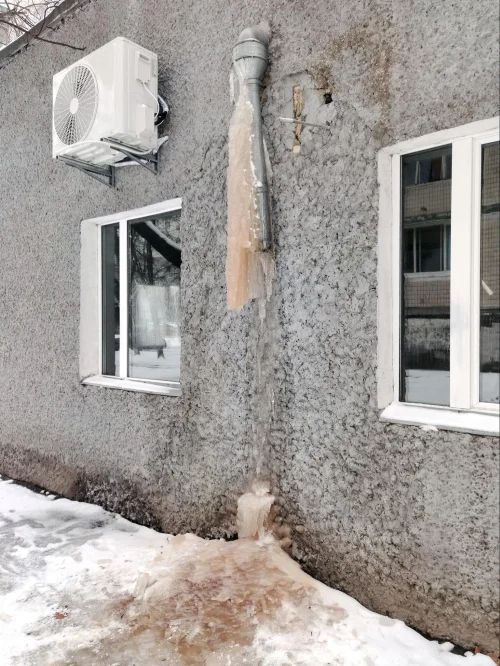
Stucco damage from freezing usually works from the outside in. Water soaks into the porous surface or an existing crack, freezes, and expands. The National Park Service’s guidance on stucco repair notes that most stucco deterioration comes from water getting into the wall, where it can corrode lath and cause stucco to pull away.
Did You Know: Most stucco walls end at the bottom with a metal strip called a weep screed, which lets trapped water drain out. If soil, mulch, or concrete covers it, water stays in the wall and is more likely to freeze there.
Why Utah Stucco Is Especially Vulnerable
Very cold climates that stay frozen all winter see fewer freeze-thaw cycles than you might expect. The damage comes from swinging back and forth across 32°F, and Northern Utah does that often.
Several local conditions add to the risk:
- Big daily temperature swings: High elevation and dry air let sunny afternoons warm stucco walls above freezing, then drop well below freezing after dark.
- Sun-facing walls: South- and west-facing walls warm up most during the day, so they often cycle more than shaded walls.
- Snow against the house: Snow piled along the base of a wall melts slowly into the stucco, especially near grade.
- Sprinkler overspray: Wet stucco heading into a cold fall night is primed for freezing.
Common Mistake: Many Utah sprinkler systems keep running into late fall. When spray hits stucco on a day that drops below freezing overnight, the wall goes into the night soaked. Adjusting heads away from the house is one of the easiest fixes.
Signs of Freeze-Thaw Damage on Stucco
Not every mark on stucco is a problem. The key is telling cosmetic wear apart from freeze-thaw cracks in stucco that are letting water in.
Signs You Can Usually Monitor
Fine hairline cracks that stay the same size from season to season are often just normal shrinkage or settling. A light dusting of white, chalky residue, called efflorescence, means water is moving through the stucco. It is not urgent by itself, but it is worth tracking down where that water is coming from.
Signs That Need Attention
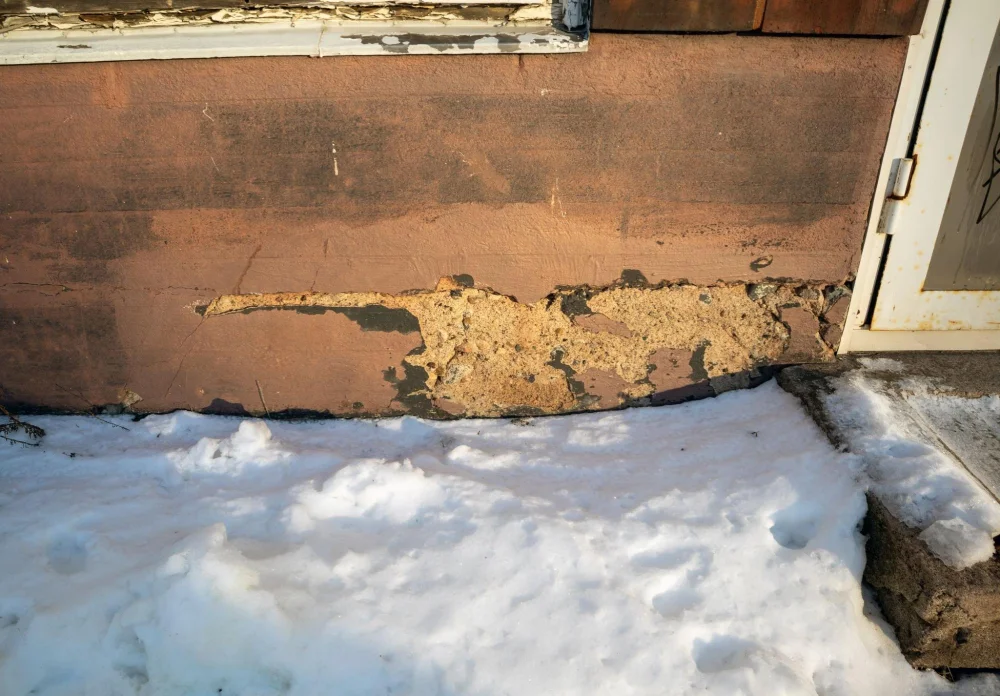
Cracks that grow, branch out, or run diagonally from window and door corners usually mean water is getting in and freezing. Flaking, crumbling, or bulging areas suggest the coats are separating or the lath behind them is failing. If you notice stains, soft spots, or musty smells on the inside of exterior walls, stucco water damage has likely reached the wall itself, and an inspection should happen soon.
Try the Tap Test: Gently tap suspicious areas with a plastic or wooden mallet. Solid stucco sounds firm. The National Park Service notes that stucco that has lost its bond gives a hollow sound.
Repair or Resurface? Choosing the Right Fix
Hairline Cracks
Small, stable hairline cracks are common and usually not serious. Sika’s technical bulletin on stucco cracks notes that minor cracking at the corners of doors and windows is expected, even with good installation.
A thin slurry coat or elastomeric paint can often seal them. Avoid standard caulk, which the National Park Service notes weathers differently than stucco and collects dirt, leaving visible patches.
Larger Cracks and Loose Areas
Cracks that keep growing, or areas that sound hollow, usually need to be cut out and patched in layers. Any damaged lath, sheathing, or flashing underneath should be repaired first, or the new patch will fail the same way.
Widespread Damage
When cracking, staining, and loose sections appear across multiple walls, patching becomes a short-term fix. Stucco resurfacing applies a new finish layer over sound stucco, sealing small cracks and refreshing the whole exterior at once. If moisture has damaged the substrate, those areas need repair before resurfacing.
Cost Snapshot: Sealing hairline cracks is usually a modest repair. Patching larger areas costs more, and full resurfacing depends on wall size, access, and substrate condition. An on-site inspection is the best way to get accurate numbers for your home.

How to Protect Stucco Before Winter
- Keep the weep screed clear. Pull soil, mulch, and rock back so the bottom edge of the stucco can drain.
- Seal penetrations with compatible materials. Use stucco-rated sealant around light fixtures, hose bibs, and vents, and leave control joints and drainage gaps open.
- Refresh the finish. A breathable elastomeric or masonry coating can reduce how much water the surface absorbs. Avoid coatings that trap moisture inside the wall.
- Watch the water above. Leaky roof flashing or overflowing gutters above a stucco wall can send water straight into it.
- Repair before it gets cold. Stucco work generally needs temperatures above 40°F with no frost expected, so book fall repairs early.
Plan Ahead: Late summer is the best time for a stucco inspection. It leaves enough warm weather for repairs and coatings to cure before the first hard freeze.
When to Call a Professional
Call a stucco professional if cracks keep returning, the wall sounds hollow or feels soft, or you notice moisture inside. A trained contractor can test for hidden moisture, find the entry point, and tell you whether patching or resurfacing is the better fix. Our frequently asked questions page covers more about how we inspect and repair exteriors.
Ask Before Hiring: Will you check the weep screed, flashing, and lath condition, or only patch the visible cracks?
Keep Your Stucco Strong Through Utah Winters With BH Exterior and Design
Utah winters will always test your stucco. The homes that hold up best are the ones where small cracks get sealed, drainage stays open, and damaged areas are repaired before water reaches the lath.
BH Exterior and Design helps Northern Utah homeowners repair, restore, and resurface stucco built to handle local winters. Our team checks more than the visible cracks, so we can find where water is getting in and recommend the right repair.
Contact us to schedule a stucco inspection before the next hard freeze.
FAQs: Freeze-Thaw Stucco Damage
Can stucco crack from freezing temperatures alone?
Cold alone rarely cracks stucco. The damage comes from water inside the stucco freezing and thawing repeatedly. Dry stucco handles cold far better than wet stucco.
Does painting stucco help prevent freeze-thaw damage?
It can, if you use the right product. A breathable masonry or elastomeric coating sheds water while letting the wall dry. Non-breathable paints can trap moisture and make freeze damage worse.
How do I know if stucco water damage has reached the wall?
Soft or hollow-sounding areas, bulging, interior stains, and musty odors suggest moisture has moved past the stucco. A moisture inspection can confirm it.