
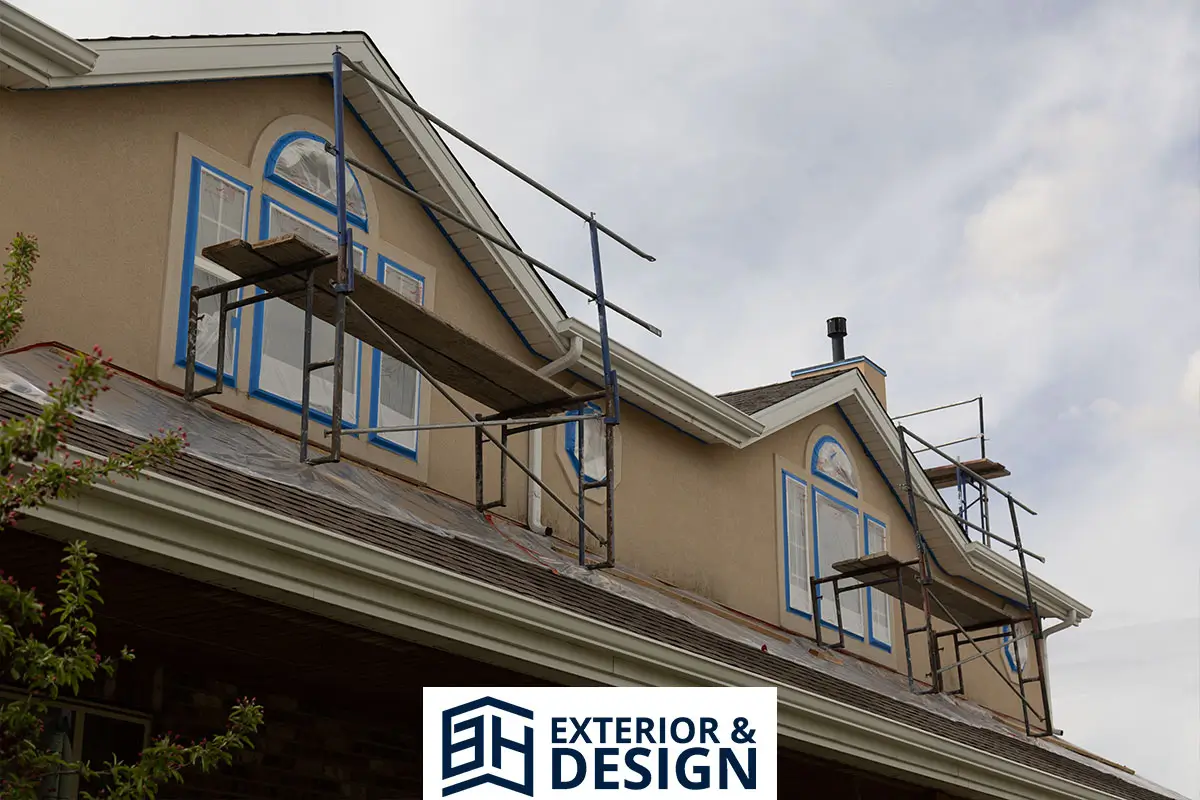
An exterior renovation starts well before the first piece of siding comes off or the paint goes on. The more prepared your home, yard, and mindset are, the smoother the entire renovation journey will feel.
For homeowners in the Beehive State, preparation matters even more. High elevation sun, wide temperature swings, seasonal storms, and wind all influence how Utah exterior renovations unfold.
Whether you’re planning a full house exterior renovation or updating a few high-impact elements, smart preparation helps protect your home exterior, budget, and sanity.
Below is a practical, homeowner-friendly guide to getting ready for exterior home renovations. Here’s how to prepare without unnecessary stress.
Start With the Big Picture (Before the Tools Come Out)
Exterior renovations are easiest to manage when they’re guided by a clear, well-defined vision.
Before reaching out to exterior renovation contractors or signing any paperwork, take time to evaluate your house as a complete system. Your siding, roof, windows, doors, and architectural details all work together to shape how your home looks, performs, and ages over time.
This early planning stage helps homeowners avoid piecemeal decisions and last-minute changes once the project is underway. It also creates alignment between your goals and the scope of work, giving your renovation a sense of direction from day one.
Ask yourself:
- What’s driving this renovation: maintenance, style, resale value, or all three?
- Which exterior elements matter most right now: siding, roof, windows, doors, or paint?
- Do you want a lighter appearance, a more modern style, or to restore original architectural features?
Once those priorities are clear, it becomes much easier to make design choices and scheduling decisions that support the bigger picture.
This is also the time to think about how your exterior renovation services will affect everyday life. Noise, access points, dust, and crew traffic are all part of the process. Knowing that upfront makes the project feel more manageable and allows you to plan around short-term disruption while keeping your focus on the long-term outcome.
Inspect and Document Existing Conditions
Walk your property and take photos of your exterior from every angle. We’re talking about the front yard, sides, backyard, rooflines, brick, shutters, windows, and doors. This helps in three ways:
- It gives your contractor a clear starting point.
- It protects you if questions come up later.
- It helps track progress as the job moves forward.
As you perform your own exterior inspection, look closely for:
- Cracked or rotting siding
- Aging or damaged roof sections
- Drafty or outdated windows and doors
- Brick or mortar issues
- Areas that may not be structurally sound
In Utah, freeze-thaw cycles can quietly damage materials over time. Catching those issues early helps avoid delays once installation begins.
Aesthetic Appeal: Finalize Your Exterior Design and Materials
One of the most common sources of frustration during exterior renovations comes from indecision after work has already begun. Additionally, many homeowner couples say that agreeing on products and style are some of the biggest challenges during renovations.
While inspiration can strike at any time, exterior home renovations run far more smoothly when major design choices are finalized before the first day on site. Locking in materials early keeps the project moving, protects the schedule, and helps prevent budget creep caused by last-minute changes.
This step is where your vision starts turning into an actionable plan. Working closely with experienced exterior renovation contractors allows homeowners to evaluate how different materials, colors, and design elements interact with the home’s structure, surroundings, and architectural style.
Work with your exterior renovation contractors to finalize:
- Siding type (including options like James Hardie)
- Paint colors and finishes
- Window styles and trim
- Front door design and placement
- Shutters, window boxes, and architectural details
- Roofing material and color
Once these selections are set, your renovation team can coordinate ordering, scheduling, and installation with fewer interruptions. This clarity also allows homeowners to visualize the finished exterior with confidence, rather than making decisions in the middle of construction.
Prepare the Yard and Landscaping
Your yard is one of the first areas affected during an exterior house renovation, even though the work is focused on the home itself. Crews need space to move, materials need staging areas, and debris has to go somewhere (often right where landscaping currently lives). Without preparation, plants, hardscaping, and irrigation systems can suffer unnecessary damage.
Taking time to prep the yard helps protect your investment and keeps the project moving efficiently. It also reduces the risk of delays caused by access issues or accidental damage, which is especially helpful when multiple exterior elements like siding, roof work, or window installation are happening at once.
Before the project starts:
- Trim back trees and shrubs near the house
- Move planters, patio furniture, grills, and décor
- Mark sprinkler heads and irrigation lines
- Cover delicate plants or relocate them temporarily
Once your yard is ready, your contractor can work more safely and efficiently, with fewer obstacles in the way.
Create Clear Access for the Renovation Team
Exterior renovations move faster and with fewer interruptions when the worksite is easy to physically navigate. Your exterior home renovation contractors will be bringing in materials, tools, ladders, and equipment daily, and limited access can slow progress or increase the risk of damage to your yard, driveway, or home exterior.
Before the project begins, think about how crews will move around your property from the moment they arrive. Open, direct pathways help reduce unnecessary backtracking, protect landscaping, and keep the renovation schedule on track.
Make space by:
- Clearing driveways and parking areas
- Opening gates and removing obstacles
- Unlocking exterior access points if needed
- Keeping pets safely indoors or fenced away
Taking a little time to prepare access points can make a noticeable difference in how smoothly the project runs. A well-organized site helps the team focus on the job instead of maneuvering around obstacles, which often leads to cleaner work and a more predictable renovation experience for homeowners.
Secure Windows, Doors, and Interior Spaces
While exterior renovations take place outside, their impact almost always reaches indoors. Work on siding, roofing, windows, and doors can cause vibration, noise, and brief exposure to the elements, especially during demolition and installation.
Before work begins, take a few proactive steps inside the house. Wall décor near windows and doors should be removed to prevent shifting or accidental damage. Furniture positioned against exterior walls is best covered or temporarily moved to protect it from dust and debris.
Additionally, window treatments should be secured or taken down, as vibrations from siding replacement or roof work can loosen hardware or cause movement you might not expect.
If your exterior renovation includes replacing windows or doors, it’s also smart to plan for short periods when openings may be exposed.
Renovation Journey: Review the Timeline and Daily Schedule
Exterior renovations involve many moving parts, and even the most efficient projects unfold in stages. Roofing, siding, windows, paint, and finishing details are typically completed in a specific sequence, with each phase depending on the progress of the one before it.
Before the project kicks off, it’s worth having a detailed conversation about timing and daily activity. Strong communication here prevents surprises and helps everyone stay aligned as the renovation moves forward.
Ask your contractor:
- Which phases come first
- How long each phase typically lasts
- What days crews will be onsite
- When the loudest work will occur
A clear picture of the project flow allows homeowners to plan workdays, school schedules, pet care, and outdoor access without frustration. It also makes it easier to anticipate temporary disruptions.
Talk Budget, Including the “Just in Case” Fund
It’s no secret that home renovations, even outside, are costly. It doesn’t help that nearly 80% of homeowners went over budget on their last renovation, leaving 74% with renovation regrets.
As such, every exterior renovation project should include a money buffer. Hidden issues behind siding, unexpected structural repairs, or material adjustments can arise once work starts.
A good rule of thumb:
- Set aside 10–15% of your renovation budget for surprises
- Clarify what’s included vs. what triggers change orders
- Know how pricing adjustments are handled before signing
This keeps decisions calm and informed if something unexpected comes up, allowing homeowners to address issues quickly without stalling the project or feeling pressured into rushed decisions that don’t align with the original plan.
Prepare for Short-Term Disruption (and Long-Term Payoff)
Exterior renovations are temporary, but they do require patience. Cosmetic updates can take anywhere from 3 to 5 weeks to finish, and more extensive outdoor renovations may require multiple months of labor.
For a period of time, your home may feel louder, messier, or less accessible than usual as materials are removed, installed, and finished—but those brief disruptions are part of the process that leads to lasting improvements.
At the end of the day, you have a great deal to gain, including:
- Stronger protection against the elements
- Improved energy efficiency
- Updated style and architectural cohesion
- A noticeable boost in curb appeal
For many homeowners, the transformation of the front door, siding, windows, and roof completely changes how the house feels when pulling into the driveway.
Why Preparation Makes All the Difference in Exterior Home Renovations
The most successful exterior home renovations are planned meticulously. When homeowners take time to prepare their house, yard, and expectations, the renovation journey can feel more organized than stressful.
If you’re planning renovations in Utah or beyond, working with experienced exterior renovation services helps guide those early decisions and keeps the project moving smoothly from start to finish.
At BH Exterior & Design, preparation is part of our process. We know that a well-prepared home leads to better results, fewer surprises, and an exterior that looks complete, intentional, and built to last.
Get in touch to discuss your renovation goals in the Sandy area. We’re here to help!