

TL;DR:
Your roof edge system protects your home from water damage by managing runoff and shielding vulnerable areas like fascia, soffits, and roof decking. Common warning signs include sagging gutters, peeling paint, rusted drip edges, damaged shingles, and water stains. Regular inspections and timely repairs can help prevent more expensive structural problems later.
The edge of your roof may not be the first place you look when something seems wrong with your home. Yet this area plays an important role in controlling water, protecting underlying materials, and maintaining the roof’s overall performance. When it starts to deteriorate, the damage may stay subtle until it affects other parts of the roofing system.

And your roof has plenty to contend with. In 2024, the U.S. experienced 27 billion-dollar weather and climate disasters, with severe storms, tropical cyclones, flooding, and other events contributing to an estimated $182.7 billion in damage.
That makes regular attention especially valuable. By learning to spot roof edge system problems early, you can address minor concerns before they become costly damage. This guide walks you through the key warning signs, common causes, and what to do when you find a problem.
Quick Answer: The most common roof edge failures happen when water cannot move away from the roof properly. Missing drip edges, poor flashing overlaps, and loose metal components can create small entry points where moisture begins damaging the roof structure.
What Is a Roof Edge System?
The roof edge system refers to the components that work together along the perimeter of a roof to direct water away from the home and protect the structure underneath.
This typically includes the drip edge (the metal flashing along the roofline), the fascia board (the vertical trim extending across the roof’s edge), the soffit (the underside paneling that ventilates the attic), and the gutter apron that ties the roofline into the gutter system.
Together, these pieces channel rainwater away from the foundation, keep pests out of the attic, provide ventilation, and protect the roof deck from rot. When one part of this system fails, it can contribute to problems in neighboring components. That is why catching roof edge damage early, before it spreads to neighboring components, makes such a difference.
Common Signs of Roof Edge Damage
Roof edge problems don’t always look serious when they first appear. A small change in color, slight sagging, or an unusual smell near the attic could be an early warning that something needs attention.
What To Check: Look closely at the transition points where the roof materials meet the edge metal. Gaps, separated sections, or exposed fasteners may indicate that the drip edge is no longer directing water into the gutter system correctly.
Here are the most common signs of roof edge failure you must watch for.
Sagging or Warped Fascia Boards
Fascia boards should run in a straight, even line along the roofline. When wood absorbs moisture over time, it swells, softens, and eventually sags or pulls away from the structure. A wavy or drooping fascia line is one of the clearest visual cues that water has been sitting where it shouldn’t.
Peeling Paint or Water Stains
Paint doesn’t peel for no reason. When moisture gets trapped behind fascia or soffit panels, it pushes against the paint from the inside out, causing bubbling, cracking, or peeling. Water stains such as brownish streaks or discoloration usually confirm that moisture has been present for a while, not just after a single storm.
Gutter Issues Tied to the Edge System
Gutters and the roof edge system are closely connected, so problems in one often show up in the other. Gutters pulling away from the fascia, sagging in the middle, or overflowing during rain can indicate problems with mounting, drainage, or the fascia supporting the gutter system.
Pest or Animal Activity
Gaps between the soffit and fascia create an open invitation for birds, squirrels, wasps, and rodents. Scratching sounds in the attic, nesting debris near the roofline, or small chewed openings in the soffit panels usually point to a breach in the edge system that needs sealing before it gets worse.
Visible Rust or Corrosion on Drip Edge
Metal drip edge flashing is designed to resist weather, but over years of exposure it can corrode or deteriorate, especially in humid climates or coastal areas. Rust spots, flaking metal, or a drip edge that has separated from the roof deck signal that water is no longer being redirected the way it should be.
What Causes Roof Edge Problems?
Roof edge system problems usually develop gradually rather than appearing overnight. Age, harsh weather, moisture, and missed maintenance can slowly weaken each part of the system until small issues turn into costly damage.

Common Mistake: Many homeowners focus only on visible roof materials and overlook the small transitions between roofing components. Improper overlaps between drip edge, flashing, and roofing materials can allow water to travel behind the protective layers.
Age and Weathering
Every material along the roof edge has a lifespan. Years of sun exposure, temperature swings, and repeated freeze-thaw cycles gradually break down wood fibers, weaken paint seals, and cause metal flashing to fatigue. Even a well-installed system will eventually show wear simply from age.
Poor Installation or Missing Drip Edge Flashing
Not all roof edge issues stem from wear and tear. Sometimes the root cause traces back to installation itself, like flashing wasn’t properly overlapped, drip edge that was skipped altogether, or fasteners placed incorrectly. These gaps give water a direct path behind the fascia and soffit from day one.
Clogged or Damaged Gutters
When gutters fill with leaves, debris, or granules from aging shingles, water has nowhere to go but over the edge. That overflow runs directly down the fascia board, saturating it with every rainfall and accelerating rot far faster than normal weather exposure would.
Maintenance Reminder: Keeping gutters clear is only one part of protecting the roof edge. Check that water flows into the gutter instead of running behind the fascia, as improper drainage can continue causing damage even with clean gutters.
Storm Damage
High winds, hail, and heavy rain can loosen or crack roof edge components in a single event. Ice dams are a particular concern in colder climates, since the trapped water they create can work its way beneath shingles and drip edge, causing damage that isn’t always visible until much later.
Lack of Regular Maintenance
Many cases of roof edge damage aren’t caused by one dramatic event but by small issues left unchecked for seasons at a time. A loose gutter bracket or a hairline crack in the fascia paint might seem minor, but without attention, these small gaps become entry points for ongoing moisture damage.
Did You Know: Roof edge damage is not always caused by a major storm. Repeated temperature changes can make metal components expand and contract, which may loosen fasteners or create small separations over time.
Why You Shouldn’t Ignore These Warning Signs
A slightly sagging gutter or small stain might be easy to overlook, but these seemingly minor issues can signal that your roof edge isn’t keeping moisture where it belongs. Once water gets into vulnerable areas, it can continue moving through the structure and cause more damage.
Here’s what can happen when you leave the problem unchecked:
- Spreading water damage: Moisture can work its way into the roof decking, attic insulation, and eventually interior ceilings or walls, turning a minor repair into a much larger one.
- Structural risk: Prolonged moisture exposure can weaken and rot fascia and soffit boards, compromising the roofline’s stability and potentially leading to costly structural repairs.
- Rising repair costs: Water damage can also become expensive quickly. According to the Insurance Information Institute, the average claim severity for homeowners insurance losses involving water damage and freezing exceeds $13,000.
- Reduced energy efficiency: Damaged soffit panels disrupt proper attic ventilation, which can make heating and cooling systems work harder than they should.
- Diminished curb appeal: Sagging fascia, rusted flashing, or gutters pulling away from the house are hard to miss and can affect how the home is perceived, especially if a sale is ever on the horizon.
Taken together, these risks make roof edge maintenance far more than a cosmetic task. It’s a practical investment in protecting the rest of the home.
When to Call a Professional
A quick visual inspection from the ground can catch some of the more obvious issues, but many roof edge problems hide in places that aren’t visible without a closer look. Knowing when to move from a casual glance to a professional evaluation makes a real difference in catching problems early.
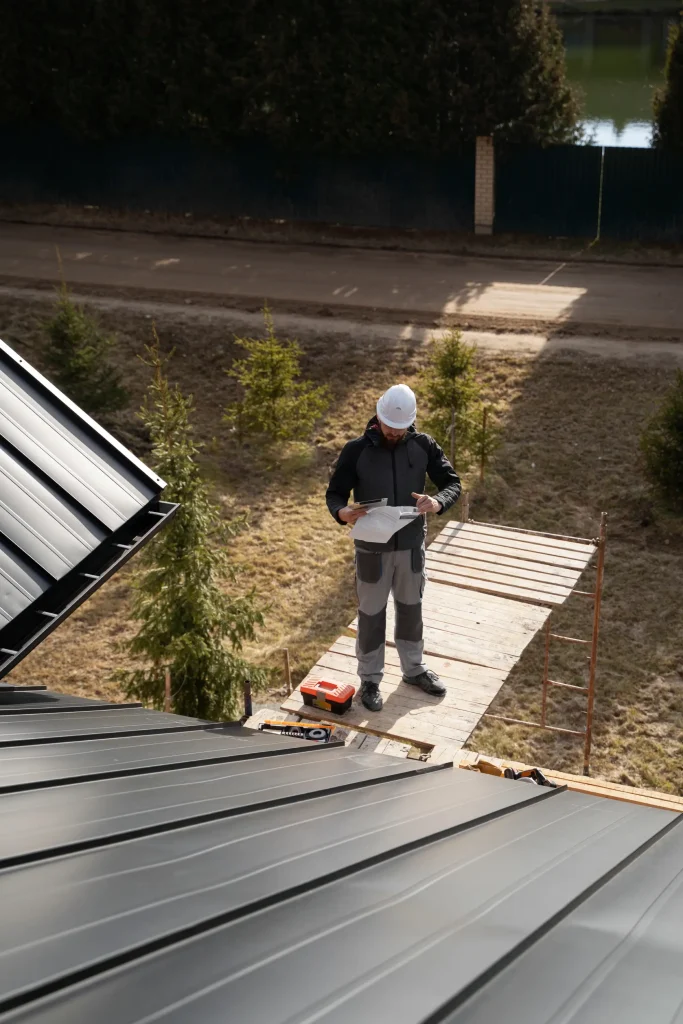
Consider scheduling a roof edge inspection if any of the following apply:
- Visible staining, streaking, or discoloration appears near the roofline or attic ceiling
- Gutters no longer sit flush against the fascia or have started sagging
- Scratching sounds, nesting debris, or small openings suggest pest activity near the soffit
- A major storm, hailstorm, or heavy ice buildup has recently affected the home
- Paint is peeling or bubbling along the fascia without an obvious cause
A trained professional can identify soffit and fascia damage that may not be visible from the ground and determine whether the problem calls for a simple repair or points to a larger underlying issue.
Ask Before Hiring a Contractor:
- How will you inspect the drip edge and flashing connections?
- Will you check for moisture behind fascia and soffit areas?
- Will you identify whether the issue is a repair or a larger roof edge system problem?
A detailed inspection helps you understand the actual cause instead of only addressing the visible damage.
Stay One Step Ahead With BH Exterior and Design
Your home’s exterior works as a complete system, and the roof edge is one part that deserves attention when you are maintaining the property as a whole. A professional assessment can give you a clear picture of its current condition, help you prioritize improvements, and give you confidence that your home is prepared for the seasons ahead.
That process becomes easier when you have a team you can trust.
BH Exterior and Design brings professional expertise to exterior projects, helping homeowners make informed decisions about repairs and improvements. From identifying areas that need attention to delivering quality workmanship, our team is committed to practical solutions that complement your home’s appearance and protect your investment.
Tip: A roof edge inspection is most useful when completed as part of seasonal exterior maintenance. Checking after severe weather or before major seasonal changes can help catch loose components, drainage issues, and early moisture concerns.
Contact BH Exterior and Design today to schedule your roof edge inspection.