
TL;DR:
A rotted fascia board is usually caused by prolonged moisture exposure from issues like overflowing gutters, flashing problems, or poor sealing. Common warning signs include peeling paint, soft wood, gutter separation, dark stains, and visible deterioration. Addressing fascia damage early can help prevent problems from spreading to the soffit, roof decking, and gutter system.
Have you ever noticed peeling paint or dark discoloration along your roofline and wondered if it was simply aging? Well, it could be more than that.
Your fascia is constantly exposed to rain, humidity, and other outdoor conditions, making it vulnerable to moisture damage over time. And because fascia is connected to your gutters and roof edge, a problem here can affect more than your home’s appearance.
In 2024, 83% of U.S. homeowners reported experiencing at least one unexpected home repair, with water and roof damage among the most common problems.
The good news is that you can often spot fascia problems before they become extensive. Changes in the wood, paint, gutters, or surrounding areas can give you useful clues.
This guide explores the signs you shouldn’t overlook, the common causes behind rotted fascia board, and when it’s time to call a roofing professional.
What Is a Fascia Board and Why Does It Matter?
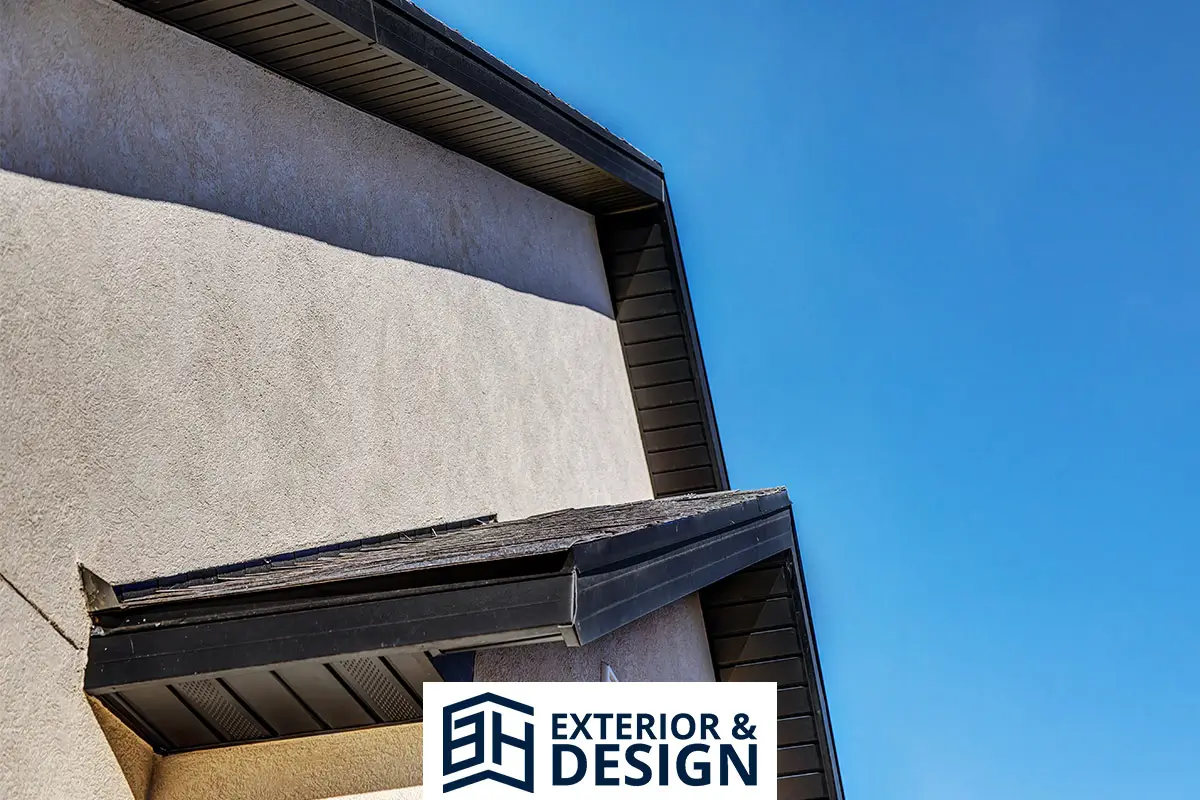
The fascia board is the horizontal trim board that runs along the edge of the roofline, mounted just behind the gutters and directly beneath the roof’s bottom edge.
It covers the ends of the roof rafters, gives the gutter system a solid surface for attachment, and creates a finished transition between the roof and exterior walls.
Functionally, it does more work than its appearance suggests. The fascia closes off the ends of the roof rafters, keeping out birds, insects, and wind-driven rain, while supporting the full weight of the gutters carrying water, debris, and other materials.
Because it’s constantly exposed to rain runoff, temperature swings, and UV exposure, it’s one of the more moisture-vulnerable components on the entire exterior.
When it starts to break down, the damage rarely stays contained to the board itself. Fascia damage can also allow moisture to affect nearby components, including the soffit, rafter ends, and roof decking.
What happens when a fascia board rots: A rotted fascia board can weaken the area where gutters attach, allowing water to affect nearby roof components. Early repairs can help prevent damage from spreading to the soffit, roof decking, or surrounding exterior areas.
8 Signs Your Fascia Board Is Rotting
Catching signs of fascia board rotting early is what separates a simple board replacement from a full roofline repair. Here are the key changes to look for when inspecting your fascia:
Tip: Check fascia after heavy storms
Storms can reveal fascia issues that are not obvious during normal weather. After heavy rain or strong winds, look for new water streaks, loose gutters, or changes along the roof edge.
Visible Warping, Sagging, or Bowing
A fascia board that no longer runs straight and level along the roofline may be affected by excess moisture or deterioration.
As the fibers swell and contract repeatedly with wet-dry cycles, the board loses its rigidity and starts to bow outward or dip between gutter brackets. This is often visible from the ground, especially when viewed at an angle in daylight.
Peeling or Bubbling Paint
Paint that blisters, cracks, or peels away from the fascia is frequently one of the earliest warning signs, appearing before the wood itself looks visibly damaged.
Moisture gets trapped behind the paint film, and with nowhere to evaporate, it saturates the wood underneath while pushing the paint layer away from the surface.
Soft or Spongy Wood
Healthy fascia should feel firm and hold its shape, while wood affected by rot becomes soft, spongy, or weakened. As repeated exposure to moisture compromises the wood, the surface may feel unusually soft or brittle and can eventually crumble or break apart.
These changes are especially concerning when they appear alongside staining, peeling paint, or other signs of excess moisture, as they can indicate that the fascia board damage has progressed beneath the surface.
Discoloration or Dark Staining
Dark streaks or patches in black, brown, or greenish shades can signal that the fascia has been exposed to moisture for an extended period. Marks running downward from gutter seams, joints, or roof edges are particularly concerning because they often follow the path of recurring water runoff.
If the staining appears alongside peeling paint, mold, or mildew, it may indicate that moisture has already started weakening the wood.
Gutter Separation or Sagging Gutters
A gutter that starts separating from the roofline may be pointing to a problem with the fascia behind it. Since hangers and brackets are secured directly into the board, rotting or weakened wood can cause the fasteners to loosen their grip.
Look for gutters that sag between attachment points, pull away from the fascia, or lean outward during rainfall, as these changes can be signs of underlying fascia board damage.
Common mistake: Assuming loose gutters are only a gutter problem:
Many homeowners focus only on repairing the gutter itself. However, loose gutters can sometimes point to weakened fascia behind the attachment points. Checking the supporting wood can help identify the actual source of the issue.
Visible Mold, Mildew, or Fungus Growth
Mold, mildew, or small fungal growths appearing on the fascia can point to moisture buildup around the roofline. These organisms thrive in damp conditions, so their presence often means the area has stayed wet or humid for an extended period.
Even if the wood looks relatively intact, visible growth can indicate that moisture has begun to penetrate the board, creating conditions for rot beneath the surface.
Pest Activity Near the Roofline
Moisture-damaged or decaying wood can attract certain pests, including carpenter ants and other wood-damaging insects. Termites may also be found around compromised wood and should be investigated promptly.
Small holes, sawdust-like frass at the base of the fascia, or increased insect activity near the roof edge often means rot has already progressed enough to make the wood attractive as a nesting site.
Holes, Crumbling, or Flaking Wood
When fascia rot becomes severe, the damage may be impossible to miss. You may see holes forming in the board, notice sections flaking away, or find that the wood has become so deteriorated that it crumbles easily.
These signs highlight major moisture damage, leaving the fascia too weak to reliably support the gutters or protect the roofline from further water intrusion.
What Causes Fascia Boards to Rot?
Fascia rot can develop for several reasons, and the source isn’t always obvious from the outside. From drainage problems to material choices and installation issues, these factors can gradually create the conditions that allow the wood to deteriorate and cause fascia board damage.
What is moisture intrusion in fascia? Moisture intrusion occurs when water gets behind protective layers, such as paint, flashing, or roof edge materials, and remains trapped against the fascia board. Over time, repeated exposure can weaken the wood structure.
Clogged or Overflowing Gutters
When gutters fill with leaves, seeds, and debris, rainwater can spill over the edge and run directly down the fascia. Repeated exposure to this excess moisture can saturate the wood and gradually weaken it. Over time, this constant soaking can create ideal conditions for fascia rot to develop.
Poor Attic or Soffit Ventilation
Moisture doesn’t only affect the fascia from outside. Poor attic ventilation can trap heat and humidity, allowing moisture to move toward the soffit and roof edge. This can keep the back of the fascia damp for extended periods and eventually contribute to wood deterioration and rot.
Ice Dams and Snow Buildup
In colder climates, melting snow can refreeze along the roof edge and form ice dams that push water beneath the shingles. This water can collect against the fascia and expose it to prolonged moisture. Repeated freeze-thaw cycles can gradually weaken the wood and accelerate fascia board damage.
Age and Untreated or Low-Grade Wood
Older or untreated fascia boards are often more vulnerable to moisture because they can absorb water more easily. Without regular painting or sealing, the wood loses protection against rain and changing weather conditions. Over time, this repeated exposure can cause the board to weaken, deteriorate, and eventually rot.
Wood type can affect how long fascia lasts: Traditional wood fascia requires regular sealing and maintenance because exposed wood can absorb moisture over time. Some homeowners choose materials like PVC or composite alternatives because they are less vulnerable to moisture-related deterioration.
Improper Installation or Flashing Gaps
Gaps in the drip edge, poorly sealed seams, or improperly secured fascia can give water a direct path into the wood. Instead of draining away from the roofline, moisture can collect behind the board and remain trapped. Even newer fascia can develop rot when installation doesn’t provide proper water protection.
Why You Shouldn’t Ignore Rotting Fascia
Water damage and freezing account for roughly 27.6% of U.S. homeowners insurance losses. While that figure includes many types of water damage, rotting fascia can allow moisture problems around the roofline to worsen when left unaddressed.
Waiting on early warning signs tends to compound the problem in a few predictable ways:
- Structural risk to the roof deck: Rot can spread inward from the fascia to the rafter tails and roof decking, compromising the wood the roofing material itself is fastened to.
- Gutter system failure: Weakened fascia can no longer hold gutter brackets securely, which increases the risk of a full gutter section detaching during a storm.
- Pest infestation spreading indoors: Insects drawn to decaying wood can migrate further into the attic or wall cavities once the fascia no longer offers resistance.
- Escalating repair costs: Repair costs can increase if damage spreads beyond the fascia to the decking, soffit, insulation, or interior materials.
What to Do If You Suspect Fascia Rot
Noticing signs of fascia rot doesn’t always mean you need extensive repairs. The key is to identify the source of the moisture, understand how far the damage has progressed, and address it before the problem reaches other parts of the roofline.
This is what you need to do:
- Inspect the fascia around your home, especially near downspouts, roofline corners, and loose or stained gutters.
- For a basic DIY check, use a stable ladder and avoid climbing onto the roof or reaching beyond the ladder.
- Call a roofing professional if you notice soft wood, sagging, or pest activity that could indicate more serious damage.
- Fixing rotted fascia boards may require replacing one section or larger areas if the rot has spread.
- Clean your gutters twice a year, maintain attic ventilation, and inspect the fascia regularly to catch problems early.
The sooner you address suspected fascia rot, the easier it is to prevent additional damage. If you’re unsure how far the rot has spread, a professional assessment can help you determine the right next step.
Tip: Inspect behind the fascia, not just the visible surface
Visible damage only shows part of the problem. A roofing professional may check the surrounding soffit, gutter attachment points, and roof edge materials to determine whether moisture has traveled beyond the fascia board.
Your Next Step Starts With Knowing What’s Wrong
Seeing a problem along your fascia doesn’t automatically tell you how serious it is. What you can see is only part of the picture, and the right solution depends on what’s happening underneath and around the affected area.
Rather than guessing, let BH Exterior and Design take a closer look at your roofline. Our team can assess the condition of your fascia, identify what may be causing the problem, and help you understand whether repair, replacement, or continued maintenance makes sense for your home.
We’ll also help you determine the extent of the damage and find a solution that makes sense for your home and needs. Reach out to BH Exterior and Design to protect your home.