
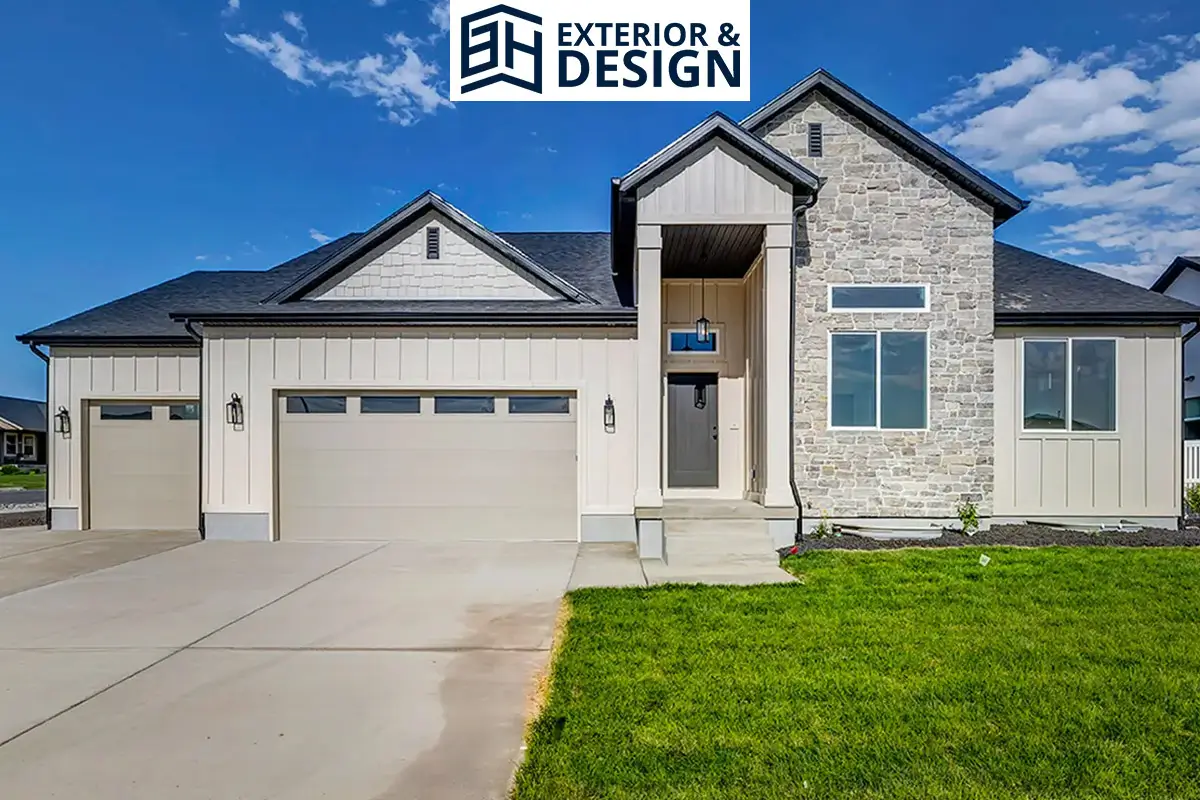
Utah homes face some of the toughest exterior conditions in the country. Blistering summer heat, deep snowpacks, and sudden temperature swings push siding materials to their limits.
Across the country, more homeowners are turning to fiber cement siding for lasting protection. The U.S. fiber cement market was valued at $2.25 billion in 2022 and is expected to grow steadily through 2030, according to Fortune Business Insights.
That growth reflects a shift toward stronger, longer-lasting materials that can handle changing climates, which is exactly what Utah homeowners need. If your siding shows signs of aging or weakness, the wrong material could mean costly maintenance or early replacement.
In this article, you’ll discover:
- What fiber cement siding is and how it performs
- Why Utah’s climate demands better siding choices
- The key benefits of fiber cement siding, especially for this region
- What to know about fiber cement siding installation process in Utah
- How it compares to vinyl, wood, and stucco
What Is Fiber Cement Siding
Fiber cement siding combines strength, texture, and long-term reliability. It’s a composite material built to look like wood or masonry while lasting decades longer than traditional siding materials.
How Fiber Cement Siding Is Made
Fiber cement siding is created by mixing cement, sand, water, and cellulose fibers. The cellulose adds flexibility, while the cement provides structure and weather resistance. The mix is pressed under high pressure, cured, and then cut into panels or planks that mimic natural wood or smooth lap siding.
The result is a material that resists heat, moisture, and fire, which are all key concerns in Utah’s changing climate.
Popular Siding Options in Utah
Utah homes often feature vinyl, stucco, or wood siding, but each comes with tradeoffs.
Vinyl is affordable and lightweight but tends to warp or crack in extreme temperature shifts. Wood offers natural beauty but requires constant upkeep and is prone to rot and pests. Stucco is durable but can crack with ground movement and sudden freezes.
Fiber cement product siding bridges these gaps. It combines the appearance of premium materials with performance built for Utah’s dry summers, snowy winters, and frequent freeze-thaw cycles.
Utah Climate Challenges for Exteriors
Utah’s weather changes fast. Homeowners in this state deal with everything from triple-digit heat in July to freezing temperatures and snowstorms in January.
These wide swings in temperature and humidity take a serious toll on a home’s exterior.
Common Weather Threats in Utah
Utah’s mix of dry desert air and mountain storms creates unique challenges. High UV exposure at higher elevations fades paint and weakens some materials. Dust generated and carried by dry winds can erode finishes over time.
Along the Wasatch Front, homes face heavy, wet snow in winter that can keep siding damp for weeks. Sudden spring storms, hail, and freeze-thaw cycles only add more stress.
Even in lower-elevation areas like St. George or Moab, long stretches of intense sun and heat can warp or crack lighter materials such as vinyl. Utah’s diverse conditions demand a siding that can handle both extremes without constant upkeep.
Siding Durability in Utah Climates
Not all siding materials are built for this kind of environment. Vinyl often warps or becomes brittle after repeated temperature swings. Wood swells, cracks, or rots as moisture cycles in and out. Stucco can separate from the wall or fracture as the ground freezes and shifts.
Fiber cement siding stands up to all of it. It resists moisture, impact, and heat while maintaining its shape and color through Utah’s toughest seasons. That combination of durability and stability makes it one of the most reliable choices for local homeowners.
Benefits of Fiber Cement Siding
Fiber cement siding offers strength, longevity, and style, all in one package. It protects against Utah’s wide temperature swings while maintaining the look of wood or stucco.
For many homeowners, it’s the best balance between durability and design.
Moisture and Fire Resistant
Utah’s weather can swing from dry heat to heavy snow in a single season. Fiber cement doesn’t absorb water, so it won’t swell, warp, or rot like wood. It also doesn’t attract pests or mold.
Because it’s non-combustible, it adds a layer of safety in brush-prone or high-wind areas where fire can spread quickly.
Energy Efficiency and Insulation
Fiber cement siding helps stabilize indoor temperatures when installed with the proper backing or insulation. While the material itself doesn’t insulate, its density reduces heat transfer and air leaks.
That means less strain on your HVAC system during Utah’s hot summers and freezing winters. Pairing it with upgraded windows or attic insulation can further improve comfort and energy savings.
Advantages of Fiber Cement Siding
Here’s why more Utah homeowners are switching to fiber cement:
- Lasts 30 years or more with minimal upkeep
- Resists fading, pests, and impact from hail or debris
- Handles intense sun and sub-freezing temperatures
- Offers multiple finishes and styles to match any home design
- Non-combustible and approved for use in fire-risk areas
For homeowners who want strength and curb appeal without constant maintenance, fiber cement siding delivers both.
Fiber Cement Siding Installation in Utah
How fiber cement siding is installed makes a big difference in how long it lasts. Utah’s elevation, cold winters, and hot summers all affect how the material expands, contracts, and sheds moisture.
Choosing experienced installers who understand those conditions means your siding performs as promised.
Preparing for Installation in Utah
The process starts with a full inspection of the home’s exterior. Old siding, damaged sheathing, or compromised weather barriers need to be repaired or replaced first.
In Utah, a water-resistant barrier is often added under fiber cement to handle wind-driven rain and snowmelt. Proper flashing around windows, doors, and eaves prevents leaks during freeze-thaw cycles.
Choosing a Qualified Installer
Fiber cement siding is heavier than most materials and requires special tools and fastening methods. Panels must be nailed or screwed precisely to prevent cracking. Gaps need to be sealed to allow for small movements caused by temperature changes.
Homeowners should look for installers with fiber cement training and proven experience working in Utah’s climate. Local expertise matters as much as the product itself.
Cost Factors for Utah Homeowners
Fiber cement siding typically costs more upfront than vinyl but less than natural stone or brick. Most of the expense comes from the labor and skill required to install it correctly. The payoff is longevity.
Once installed, fiber cement needs very little maintenance and often lasts several decades, reducing long-term costs. For Utah homeowners, that means fewer repairs and better protection against snow, sun, and heat.
Comparing Siding Materials
Utah homeowners often choose between vinyl, stucco, wood, and fiber cement when upgrading their home exteriors. The table below shows how each material performs under Utah’s weather conditions.
| Feature | Fiber Cement Siding | Vinyl Siding | Stucco | Wood Siding |
| Durability | Lasts 30+ years with minimal upkeep | Prone to cracking or warping in heat and cold | Can crack from ground movement and freeze-thaw | Requires frequent sealing and repainting |
| Weather Resistance | Excellent against moisture, snow, and UV rays | Limited resistance to extreme heat and UV | Good moisture barrier if applied correctly | Poor in dry heat or wet conditions |
| Maintenance Needs | Low; occasional cleaning and repainting every 10–15 years | Low, but color fades quickly under Utah sun | Moderate; cracks need patching | High; regular treatment needed |
| Fire Resistance | Non-combustible | Melts or burns under high heat | Moderate resistance | Flammable |
| Energy Efficiency | Reduces heat transfer when installed with insulation | Moderate; thin panels transfer heat easily | Good thermal barrier | Insulates well but loses efficiency if damaged |
| Curb Appeal | Mimics wood or stucco with multiple finish options | Limited design variety | Classic Southwest look | Natural appearance but high upkeep |
| Best For | Utah’s variable climate and long-term value | Budget-conscious upgrades | Homes with stable foundations and dry climates | Homeowners prioritizing natural aesthetics |
Fiber cement siding consistently delivers the best mix of strength, longevity, and appearance for Utah’s extreme conditions. While it costs more upfront than vinyl, it pays off through decades of performance with very little maintenance.
Maintaining Fiber Cement Siding
One of the biggest advantages of fiber cement siding is how little maintenance it requires. With a few simple steps each year, Utah homeowners can keep their siding looking clean and performing well for decades.
Cleaning and Care Best Practices
Wash fiber cement siding once or twice a year with a garden hose and a soft brush. Focus on the lower sections where Utah’s dust, pollen, and snowmelt tend to collect.
Avoid high-pressure washers, which can damage the finish. If dirt or mildew appears after wet weather, use a mild detergent and water to restore its color and texture.
Repair and Inspection Guidelines
Inspect the siding every spring and fall. Look for chipping paint, caulk separation, or any damage from hail or debris. Small touch-ups protect the material and prevent moisture from getting behind panels.
Repainting every 10 to 15 years keeps the color fresh and the surface sealed. For most Utah homeowners, that’s far less maintenance than wood or stucco ever require.
A little care goes a long way. Fiber cement siding’s combination of durability and easy upkeep makes it one of the most dependable choices for homes exposed to Utah’s sun, wind, and snow.
Built for Utah. Designed to Last.
Utah’s weather puts every home exterior to the test. From summer heat to winter ice, few materials can handle the full range of conditions year after year. Fiber cement siding does. It delivers the strength, beauty, and long-term value that homes here need.
If you’re planning an exterior upgrade or new siding installation, choosing the right material is only half the job. Expert installation makes the difference between a surface that lasts decades and one that fails in a few years.
At BH Exterior & Design, we specialize in fiber cement siding for Utah homes. Our team understands how to install and protect it for local conditions, so your investment looks great and performs even better.