
Stucco is a durable and effective exterior material known for its ability to withstand the harsh climates of Utah, including dry summers and snowy winters. It provides excellent protection against the elements, enhancing energy efficiency and curb appeal.
However, despite its strength, stucco is not impervious to damage. When moisture gets trapped behind the stucco, it can lead to rot. Stucco water damage can compromise the structural integrity of your home.
At BH Exterior and Design, we specialize in dealing with stucco water damage. In this post, we’ll explain six common signs of stucco rot and how to fix them.
6 Warning Signs of Stucco Rot
Although stucco rot may not always be visible, there are several warning signs to look for that can help you identify if there is moisture buildup or rot behind your stucco:
1. Cracks and Bulging

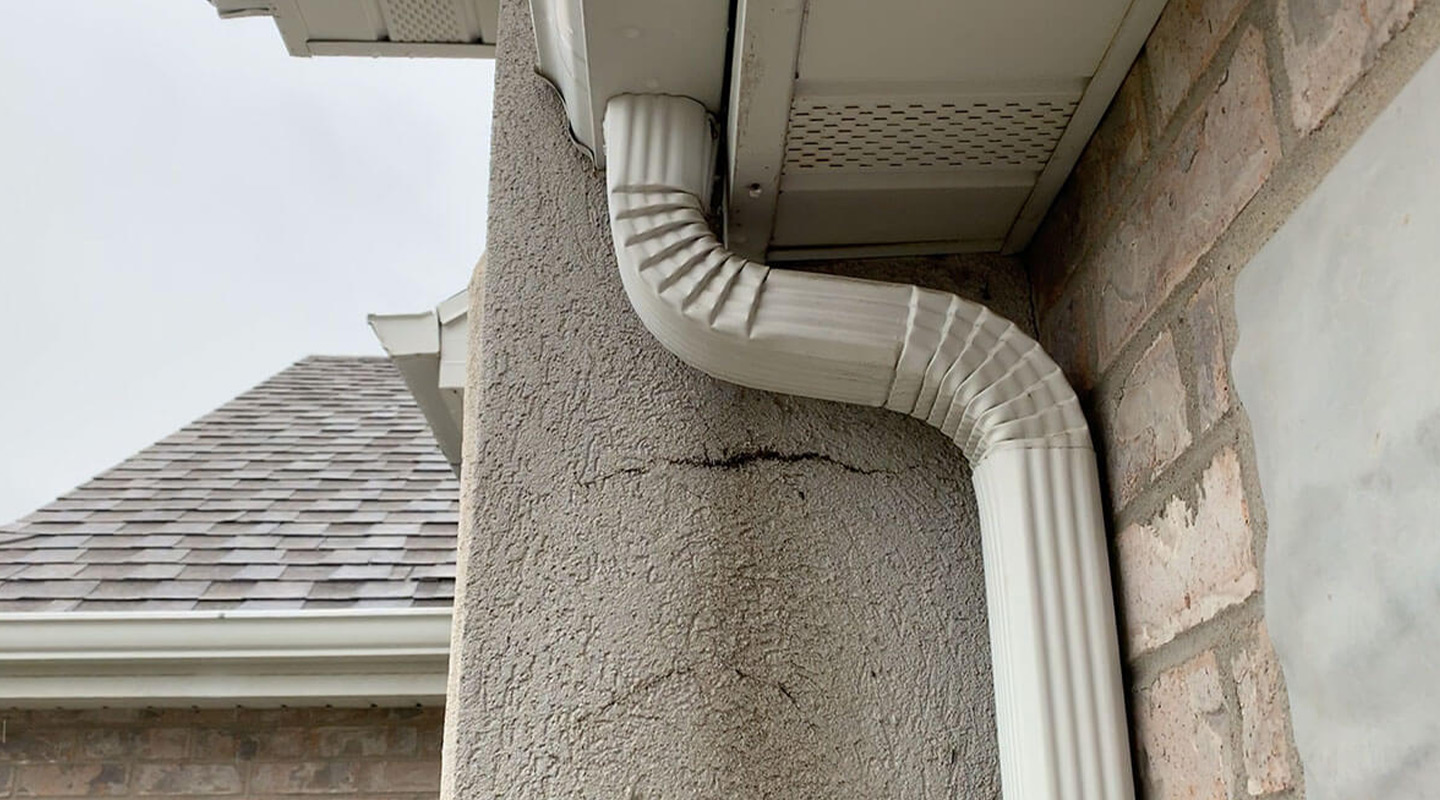
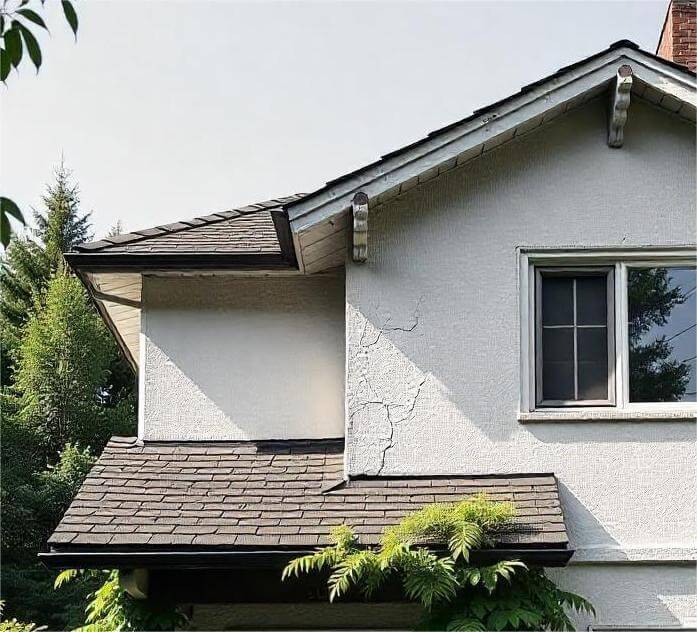
Cracks and bulging are one of the earliest signs of stucco rot. These cracks might form around windows, doors, or near the foundation where moisture has penetrated the outer layer. As the water sits, it can cause the stucco to swell or shift, weakening the structure. This is a sign that there may be rot developing underneath.
2. Soft or Spongy Walls
If you gently press on the stucco-covered walls and they feel soft or give in under pressure, it’s a strong indication that there is dry rot behind the stucco. It most likely means the wood behind the stucco is damaged.
Healthy, dry walls should feel firm and solid. Softness or sponginess suggests that moisture has infiltrated the wall system and caused deterioration of the material behind the stucco.
3. Stucco Stains or Discoloration
Visible dark streaks or discolored patches on the stucco surface can be a sign of trapped water behind the wall. These stucco stains are often caused by water seeping through cracks or gaps in the stucco, leaving a mark on the exterior. Over time, stucco water damage can lead to unsightly watermarks or discoloration, which may worsen if left untreated.
4. Musty Smell Indoors
A persistent musty odor inside your home, especially near the stucco-covered walls, can be a warning sign of mold on your stucco, which is caused by trapped moisture. When moisture seeps behind stucco, it can lead to mold, which creates a distinct, unpleasant smell. If you notice this odor, particularly after rain or snow, it’s a clear sign of stucco rot.
5. Peeling Paint or Wallpaper Inside
If the paint or wallpaper on your interior walls is peeling, bubbling, or lifting, it could be due to a broken stucco moisture barrier. Moisture from behind the stucco can move through the wall, causing damage to your interior finishes.
6. Higher Energy Bills
When the stucco moisture barrier breaks, it can reduce the efficiency of your home’s insulation. As a result, your heating and cooling systems have to work harder to maintain the desired indoor temperature, leading to higher energy bills. If you notice an increase in energy costs despite normal usage, it could be due to stucco damage from water or moisture.
How to Fix Stucco Rot
Once you’ve identified the rot behind your stucco, it’s time to fix it. Typically, the extent of the damage will determine how you proceed.
Small Area of Stucco Rot
If you’ve caught the issue early and the stucco rot is localized, you should do:
- Remove the Damaged Stucco: Carefully remove the stucco in the affected area to expose the rotted wood behind it. You can do this by cutting the stucco around the rotted section.
- Cut Out and Replace the Rotted Wood: Once you’ve exposed the framing or sheathing behind the stucco, use a saw or pry bar to remove any rotted wood. Be sure to replace it with new, untreated wood so it won’t rot again.
- Apply a New Moisture Barrier: Install a new stucco moisture barrier, such as house wrap or flashing, over the exposed framing. This will help prevent stucco water damage in the future.
- Reapply Stucco: Once the new wood and moisture barrier are in place, you can apply fresh stucco over the area. Try to match the texture and color of the existing stucco so the repair will blend in seamlessly with the rest of your home’s exterior.
Moderate to Large Stucco Rot
The process for addressing moderate to large stucco rot is similar to what you would do for a small area. You’ll need to remove a bigger section of stucco, replace the rotted wood, apply a new moisture barrier, and then re-stucco the area.
However, this type of stucco water damage often requires more thorough structural work. For this reason, you should hire an exterior renovation contractor.
Why You Need a Pro to Handle It
DIY can be an option if you’re dealing with small stucco rot. However, that might not be an option if the rot is extensive.
Here are the key reasons why you should hire a professional to handle it:
- Moisture Detection Tools: Detecting stucco rot isn’t as simple as seeing a few cracks or stains. Professionals use specialized tools like moisture meters and infrared scanners to measure and locate stucco water damage.
- Knowledge of Structural Framing: A professional will know how to check the condition of the framing behind the stucco and identify any weakened areas or extensive rot that may require more than surface-level repairs.
- Stucco Mixing and Application Skills: Improper mixing can lead to cracks, poor adhesion, and other long-term issues. A professional has the skills to apply stucco in layers, ensuring even coverage and a durable finish.
- Permits: In some cases, permits may be required, especially if you’re doing extensive repairs or replacing large sections. A professional contractor is familiar with local building codes and can handle the permitting process, ensuring your project meets all necessary regulations.
- Matching Color and Texture to Blend the Repair: One of the challenges of stucco repair is blending the patches seamlessly with the rest of the wall. Professionals can match the color and texture of the existing stucco and maintain the curb appeal. Plus, a professional upgrade can help increase the value of your home.
One more benefit of hiring a professional is better budget planning. Experts can provide a detailed estimate, which helps you plan your stucco repair without breaking the bank.
Call Us for Stucco Repair
Rot behind stucco can quietly eat away at your home. Never ignore the signs. Catch it early, fix it fast, and you’ll avoid bigger bills down the road. If you’re in Salt Lake City, Provo, Spanish Fork, or anywhere in Northern Utah, BH Exterior and Design is here to help.
Our Stucco Resurfacing experts will take care of everything from identifying the stucco rot to replacing it with a new one. Contact us to get the ball rolling.