
TL;DR:
Old siding hides moisture damage, drives up energy bills, and grows costlier to patch over time. Replacing it protects your home’s structure, boosts curb appeal, and offers better long-term value than repeated repairs.
Old siding has a way of overstaying its welcome. At first, it’s a little peeling paint or a soft spot near the trim. Then one day, you notice drafts near the walls, moisture creeping inside, or damaged trim spreading faster than expected.
Siding replacement isn’t just about looks, although those certainly do matter. It’s about protecting the home’s exterior, controlling long-term cost, and preventing small issues from turning into structural repairs.
As three experts agreed on Realtor.com, siding replacement is alwaysworth it. If you haven’t considered the ROI and protection new siding can provide, now is the time to do so.
Below, we break down the biggest benefits of replacing old siding. We’ll also talk about why tackling a siding replacement project sooner often leads to better results and lower siding costs overall.
What This Means For You: If your home’s exterior is showing signs of age, siding replacement can help prevent hidden damage, improve energy efficiency, and reduce the long-term cost of ongoing repairs.
1. Stops Hidden Damage Before It Spreads
Old siding rarely fails all at once. Cracks, gaps, and warped boards allow moisture to sneak behind the surface, especially around windows, trim, and seams. Over time, that moisture can cause serious problems by compromising insulation, rotting framing, and damaging interior walls.
Replacing siding gives contractors the chance to:
- Inspect existing siding for extensive damage
- Address structural repairs early
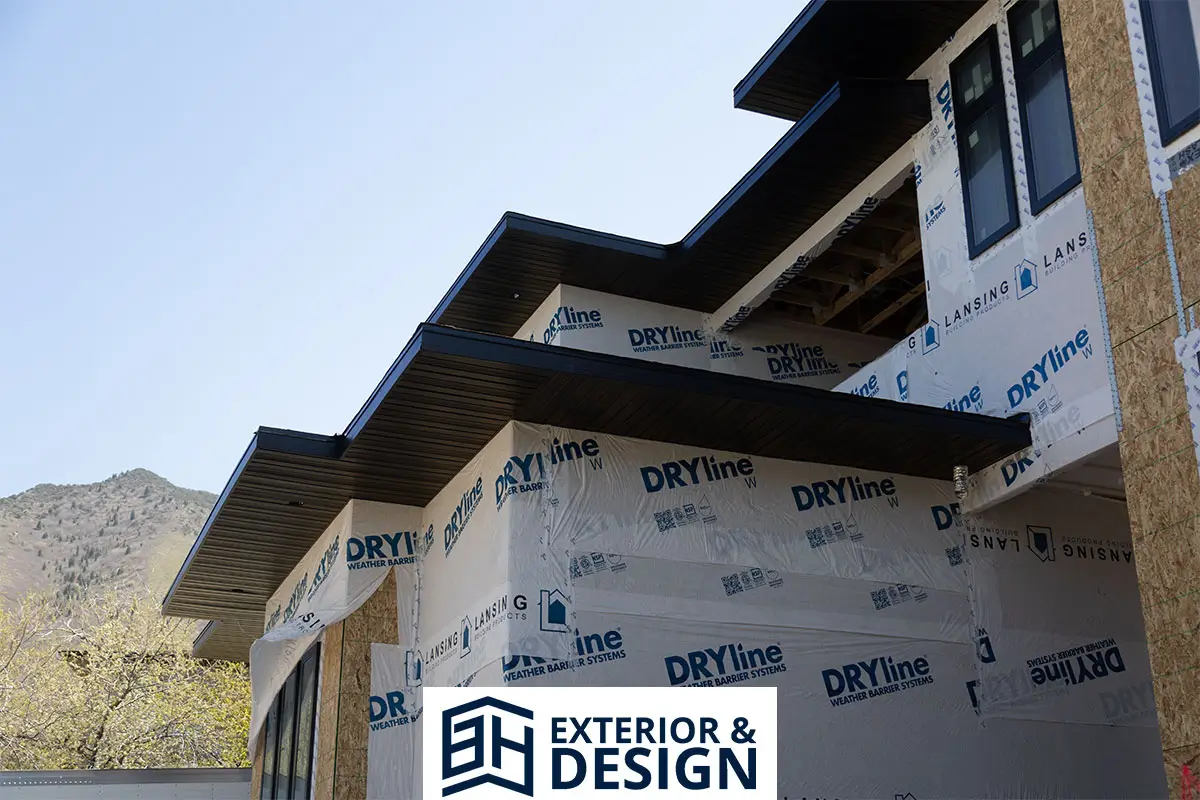
- Install house wrap or a vapor barrier for added moisture protection
Most projects reveal issues homeowners didn’t even realize were there until the siding is removed. These problems can manifest as deteriorated sheathing, moisture damage around windows, or compromised insulation that would have continued to worsen if left hidden behind the existing siding.
2. Improves Energy Efficiency and Reduces Drafts
Many older homes lose energy through outdated siding systems. Gaps, poor insulation, and aging material make it harder to regulate indoor temperatures throughout the year.
Proper new siding installation typically includes upgraded insulation, a continuous house wrap system, and tighter seams that help reduce drafts and pests while limiting air leakage. The result is improved energy efficiency and less strain on heating and cooling systems across every square foot of the house.
Did You Know?
Small gaps in aging siding can let conditioned air escape year-round. New siding installation helps seal these openings, improving comfort and overall energy efficiency.
3. Increases Curb Appeal Instantly
Few exterior upgrades change a home’s appearance as dramatically as new siding. Whether you choose vinyl siding, wood siding, fiber cement siding, or brick accents, replacing siding refreshes the entire style of the home in one project.
New siding can:
- Modernize older houses
- Correct uneven lines and damaged trim
- Increase perceived value for buyers
For homeowners thinking about resale, improved curb appeal alone can justify the replacement cost, as new siding creates a stronger first impression, helps the home stand out in a competitive market, and signals to buyers that the exterior has been well-maintained rather than deferred.
Expert Perspective: Real estate professionals consistently note that exterior appearance heavily influences a buyer’s first impression, making house siding replacement one of the most noticeable curb appeal upgrades.
4. Offers More Durable Material Options Than the Past
Today’s siding materials are built to last longer and perform better than many older products. Depending on material type and home size, options include:
- Stucco for many new single-family homes in recent years
- Vinyl siding for lower maintenance and lower siding costs
- Fiber cement or Hardie board for durability and fire resistance
- Wood for a classic look with proper upkeep
- Brick for long-term performance with minimal paint needs
According to the National Association of Home Builders, about 26% of new single-family homes now use stucco as the principal siding material. About 25% use vinyl siding, and about 21% use fiber cement siding.
Premium materials may cost more upfront, but they are designed to hold up better against weather, moisture, and everyday wear. This can significantly reduce the need for future repairs, frequent repainting, and unexpected maintenance costs over the life of the siding.
Before You Decide: Not every siding material performs the same in every climate. When planning a siding replacement, compare durability, maintenance needs, and expected lifespan alongside the initial installation cost.
5. Reduces Long-Term Repair and Paint Costs
Repairing siding repeatedly adds up quickly. Patching individual boards, repainting every few years, and addressing damaged trim often becomes a cycle that never fully resolves the underlying issues.
Replacing siding helps homeowners move past frequent paint jobs and ongoing repairs while avoiding the expense of fixing multiple problem areas across different walls. Over time, most homeowners find that replacing siding costs less than continually repairing siding sections as new issues surface.
Common Mistake: Many homeowners delay replacing house siding to save money, but repeated patch repairs and repainting can eventually cost more than completing a full replacement.

6. Allows for Proper Installation and Modern Building Practices
Older homes were built under different standards. A full siding project allows contractors to bring the exterior up to modern expectations.
That includes:
- Proper flashing around windows
- Updated installation techniques
- Improved insulation placement
Most contractors agree that correcting outdated installation methods is one of the most overlooked benefits of replacement.
What To Expect: A professional house siding replacement typically includes inspecting the wall assembly, replacing damaged components if needed, and installing modern moisture protection before the new siding is applied.
7. Makes Budgeting and Cost Planning Clearer
One of the biggest advantages of a siding replacement project is financial clarity. Unlike ongoing repairs that tend to pop up unexpectedly, siding replacement allows homeowners to evaluate the full scope of work upfront.
Replacement cost is influenced by several factors, including material choice, total square foot coverage, home size, labor requirements, and the condition of the existing siding. While costs vary, having a defined project makes budgeting far more predictable than reacting to damage as it appears.
During a siding replacement project, homeowners benefit from a clearer financial picture, including:
- Clear cost ranges based on material type and project scope
- Transparent cost data tied directly to siding installation and labor
- Fewer surprise expenses caused by hidden damage or repeated repairs
Industry experts consistently note that replacing siding provides better long-term cost control than repairing isolated sections year after year, especially as older materials continue to break down and maintenance demands increase across the home’s exterior.
Why It Matters: Budget certainty isn’t just about knowing today’s costs. A well-planned house siding replacement also helps reduce the financial impact of recurring repairs and emergency maintenance in the years ahead.
8. Protects the Home During Harsh Weather
As siding ages, its ability to defend the home against the elements steadily declines. Heavy rain, strong winds, temperature swings, and seasonal storms put constant pressure on old siding, especially where gaps, cracks, or weakened materials already exist.
Once moisture gets behind the surface, it can affect insulation, framing, and interior walls, often long before the damage is visible from the outside.
New siding systems are designed to perform as a complete exterior barrier rather than just a cosmetic layer. When properly installed, they strengthen the home’s first line of defense by improving:
- Moisture protection, helping prevent water intrusion and long-term rot
- Wind resistance, reducing the risk of loose panels or uplift during storms
- Overall durability, allowing the home’s exterior to better withstand weather-related wear
This level of protection matters even more for homes with aging walls, windows, and trim, where old siding may already be under stress. Replacing siding helps restore the exterior’s ability to shield the house from harsh conditions and avoid weather-related repairs that tend to grow more expensive over time.
Signs To Watch For: Fading, loose panels, cracked caulking, or moisture stains around windows may indicate your existing siding is no longer providing adequate weather protection and should be professionally evaluated.
9. Prevents DIY Project Mistakes That Lead to Bigger Problems
Replacing house siding may look straightforward, but the installation process leaves very little room for error. Improper sealing, missed flashing details, or incorrect vapor barrier placement can allow moisture to reach the walls behind the siding, leading to rot, mold, and insulation problems that aren’t visible right away.
Many DIY siding projects fail not because of the material itself, but because small installation mistakes compound over time and create expensive issues beneath the surface.
Professional siding replacement contractors install siding with a full understanding of how the system protects the home as a whole. They follow proper installation methods from the start, coordinate siding with trim and windows, and make sure the structure beneath the siding is protected.
For most homeowners, working with a professional siding replacement company helps avoid trial-and-error fixes, reduces the risk of higher replacement costs later, and delivers a siding project that performs as well as it looks.
Red Flag: Visible gaps between siding panels, loose trim, uneven alignment, or water stains around windows can indicate an improperly installed siding replacement that should be inspected before damage spreads.
10. Helps Homeowners Save Money Over Time
While the upfront cost of replacing siding can feel significant, many homeowners find that the investment pays off over time. New siding reduces the need for ongoing repairs, improves energy efficiency to help lower utility bills, and minimizes recurring expenses tied to repainting and routine maintenance.
In many cases, planning a siding project during the off-season can also help reduce overall costs, depending on contractor availability and material pricing.
Tip: Planning a replacing house siding project before problems become severe allows homeowners to maximize the value of their investment while minimizing future repair expenses.
Is It Time for Siding Replacementin Utah? Let’s Talk.
If your home’s siding is showing its age, waiting rarely makes the project easier (or less expensive). Cracked panels, moisture intrusion, damaged trim, and rising repair costs all point to the same reality: it’s time to replace, not patch.
At BH Exterior & Design, we handle house siding replacement with a focus on long-term performance, proper installation, and materials that fit your home’s style and budget. From evaluating existing siding to selecting the right material and managing every phase of the installation, our team helps Sandy homeowners make smart, informed decisions.
Whether you’re considering vinyl siding replacement or a full exterior refresh, now is the moment to protect your Utah home’s exterior and avoid bigger repairs down the road.
Schedule a siding consultation with BH Exterior & Design today. We’ll provide clear guidance on replacement options, realistic cost ranges, and what your home truly needs.
Frequently Asked Questions
How do I know if my siding needs replacing instead of repairing?
Look for cracks, warping, soft spots, or moisture stains that keep coming back after repairs. If damage spreads across multiple sections or you notice drafts and rising energy bills, replacement usually makes more financial sense than ongoing patches.
What’s the most durable siding material available today?
Fiber cement (Hardie board) and brick tend to hold up best against weather, fire, and pests. Stucco and vinyl also perform well depending on climate, with stucco favored in dry regions and vinyl prized for low upkeep.
Can new siding lower my energy bills?
Yes, new siding installations typically include upgraded insulation, house wrap, and tighter seams that cut down on air leakage, which reduces the strain on heating and cooling systems throughout the year.
How much does siding replacement typically cost?
Cost depends on material choice, square footage, home size, labor, and the condition of the existing siding. Getting a detailed quote upfront gives a clearer, more predictable budget than responding to repairs as they surface.
Is it advisable to replace the siding myself or hire a professional?
Professional installation reduces the risk of costly mistakes like improper flashing or sealing, which can let moisture reach the wall structure. Pros also coordinate siding with trim and windows for a longer-lasting result.